AI-Powered Heritage Guide

Every Monument Has a Story. Now It Can Tell You.

DharoharLabs is a conversational AI voice guide that works on visitors' own smartphones — no hardware, no fixed scripts. Ask anything about India's heritage and hear the story unfold in your language.

Get Early Access
Your phone. Your language. Your curiosity.
No app downloads, no rented hardware. Visitors scan a QR code at the site, and the conversation begins — on their own device.
01

Scan a QR Code

Each location within a heritage site has a QR code. Scan it on your phone — no app install needed. The guide launches instantly in your browser.

02

Ask Anything, in Your Language

Speak or type your question in Hindi, English, Gujarati, or other regional and international languages. Switch languages mid-conversation if you want.

03

Get a Real Answer

No pre-recorded clips. The AI generates accurate, engaging spoken responses in real time — sourced from ASI publications and academic research.

Heritage Sites We're Building For
These are some of the iconic sites where we're developing our AI voice guide — from Gujarat's stepwells to the Buddhist heartland of Uttar Pradesh.
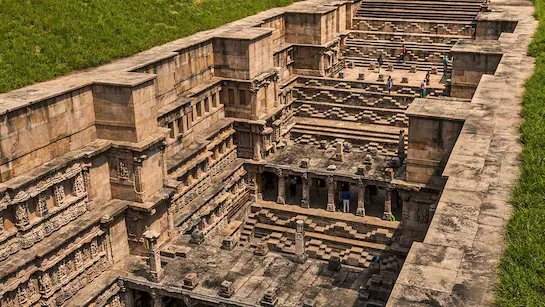
Rani ki Vav — UNESCO World Heritage stepwell in Patan, Gujarat, with intricate carvings across seven levels
Patan, Gujarat

Rani ki Vav

An 11th-century stepwell built by Queen Udayamati in memory of King Bhimdev I. Seven levels of sculpted galleries hold over 500 principal sculptures and more than a thousand minor ones — a subterranean temple dedicated to Vishnu.

UNESCO World Heritage
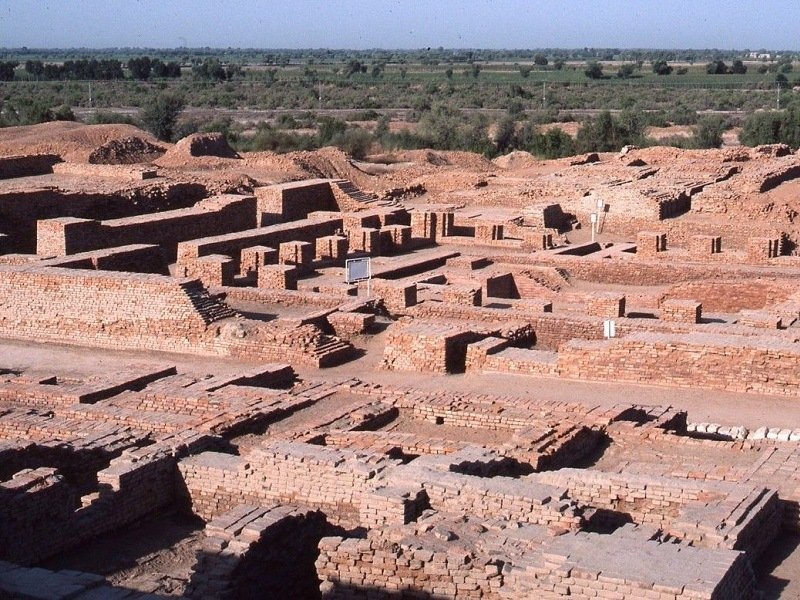
Dholavira — excavated ruins of the Harappan-era city in the Rann of Kutch, Gujarat
Kutch, Gujarat

Dholavira

One of the five largest cities of the Indus Valley Civilisation, dating back to 3000 BCE. Remarkable for its sophisticated water management system, city planning, and the earliest known signboard in human history.

UNESCO World Heritage
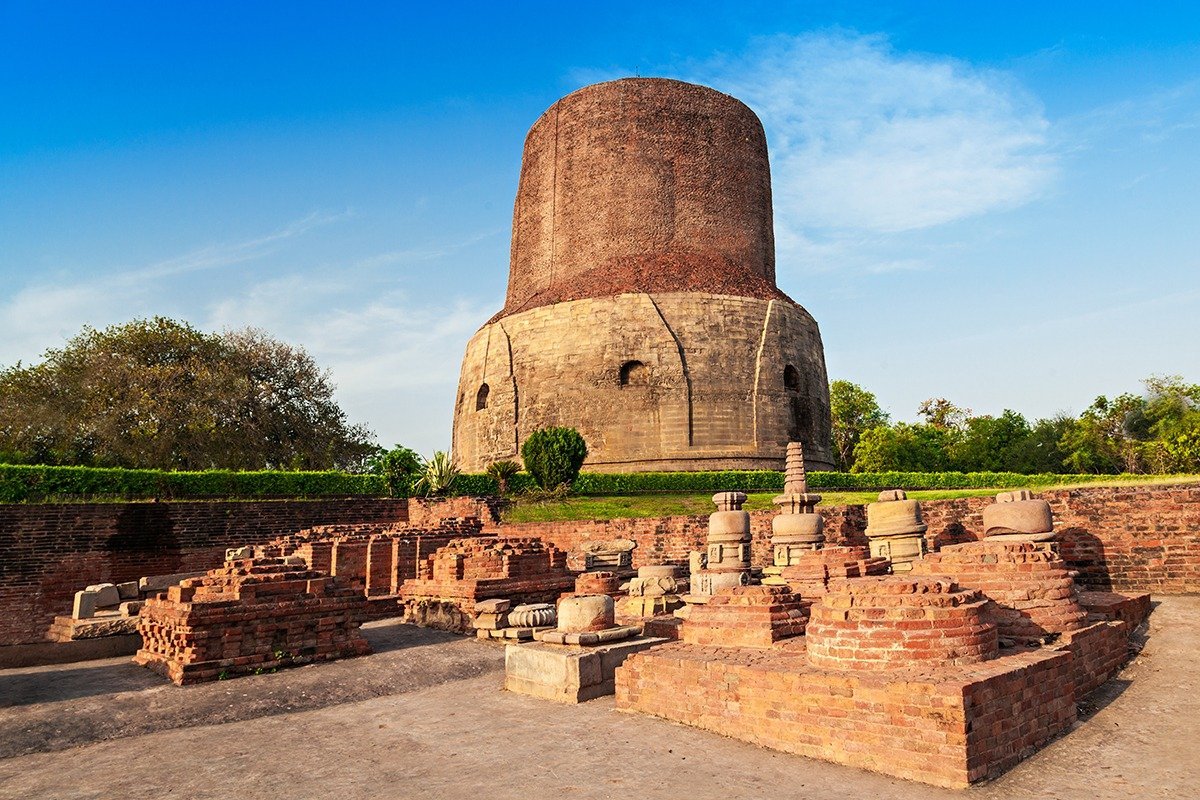
Dhamek Stupa at Sarnath — the cylindrical brick stupa where Buddha delivered his first sermon
Varanasi, Uttar Pradesh

Sarnath

Where the Buddha delivered his first sermon after attaining enlightenment. The Dhamek Stupa, Ashoka Pillar, and surrounding monastery ruins make it one of the most important Buddhist pilgrimage sites in the world.

Buddhist Pilgrimage
Not an Audio Tour. A Conversation.
Existing audio guide apps play fixed recordings. DharoharLabs enables real-time, two-way voice conversation — a knowledgeable companion that adapts to each visitor's curiosity, in their own language, on their own phone.
  • 🗣 Real-time voice Q&A — speak naturally, get spoken answers. No scripts. Visitors can ask follow-ups, go deeper, or change direction at any point.
  • 🌐 Regional & international languages — Hindi, English, Gujarati, and other Indian regional languages, plus international languages like Japanese and Korean for foreign tourists.
  • 📍 Location-aware via QR — content adapts to the exact spot within a site. Scan at the Sheesh Mahal and the guide knows you're standing in the mirror palace, not the courtyard.
  • 📱 Zero hardware installation — works on visitors' own smartphones. No headsets to rent, no devices to maintain. Just a QR code and a browser.
All historical content verified against ASI publications & academic sources
DharoharLabs AI — Rani ki Vav, Patan
Why was a stepwell built as a memorial? Seems unusual.
It does seem unusual today, but in 11th-century Gujarat, stepwells were among the most prestigious structures a ruler could commission. They weren't just functional — they were sacred spaces. Queen Udayamati chose a vav to honour King Bhimdev I because it combined public utility with devotional architecture. Every level is designed as an inverted temple, descending toward water — which in Hindu cosmology represents the journey from the earthly to the divine.
How many sculptures are there?
Over 500 principal sculptures and more than a thousand minor ones, spread across seven gallery levels. The main figures depict Vishnu in various avatars — Kalki, Rama, Varaha — along with apsaras, nagakanyas, and yoginis. What makes it exceptional is that nearly every surface is carved. Even the brackets and pillar bases carry detailed narrative panels.
DharoharLabs AI — Sarnath, Varanasi
🇯🇵 Japanese
ブッダの最初の説法は何についてでしたか?
🇯🇵 Responding in Japanese
ここサルナートで、ブッダは「初転法輪」として知られる最初の説法を行いました。その内容は「中道」と「四聖諦」です。苦しみの存在、その原因、苦しみの終わり、そしてそこに至る八正道の四つの真理を説きました。あなたが今立っている場所 — ダメーク・ストゥーパの近く — がまさにその場所だと考えられています。
Let's Talk Heritage × Technology
Whether you're a heritage site manager, tourism board, or just curious — we'd love to hear from you.

Reach Us

We're building DharoharLabs for everyone who believes India's heritage deserves a better storytelling medium. Early access is open for heritage sites and tourism partners.

hello@dharoharlabs.com
📍 India